
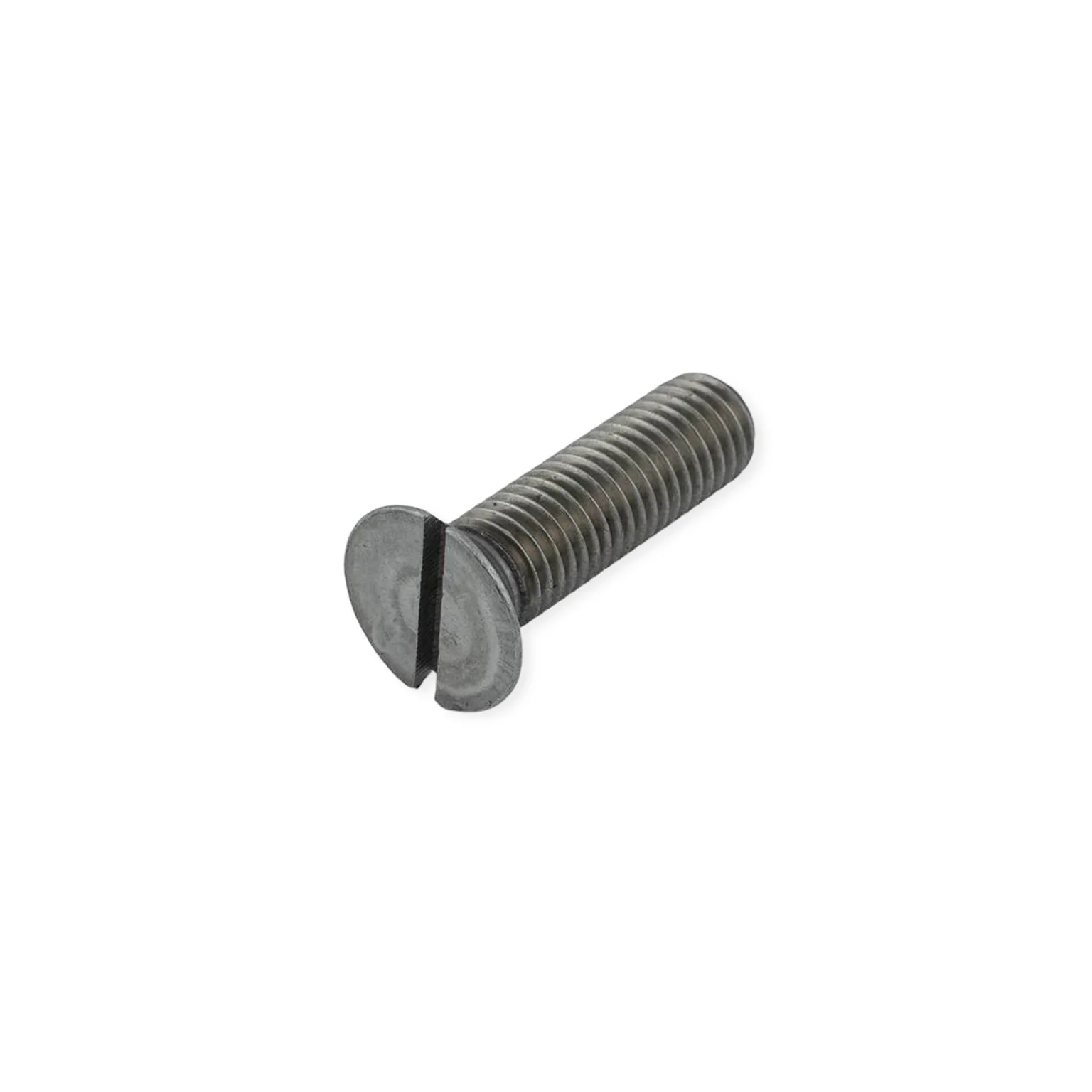
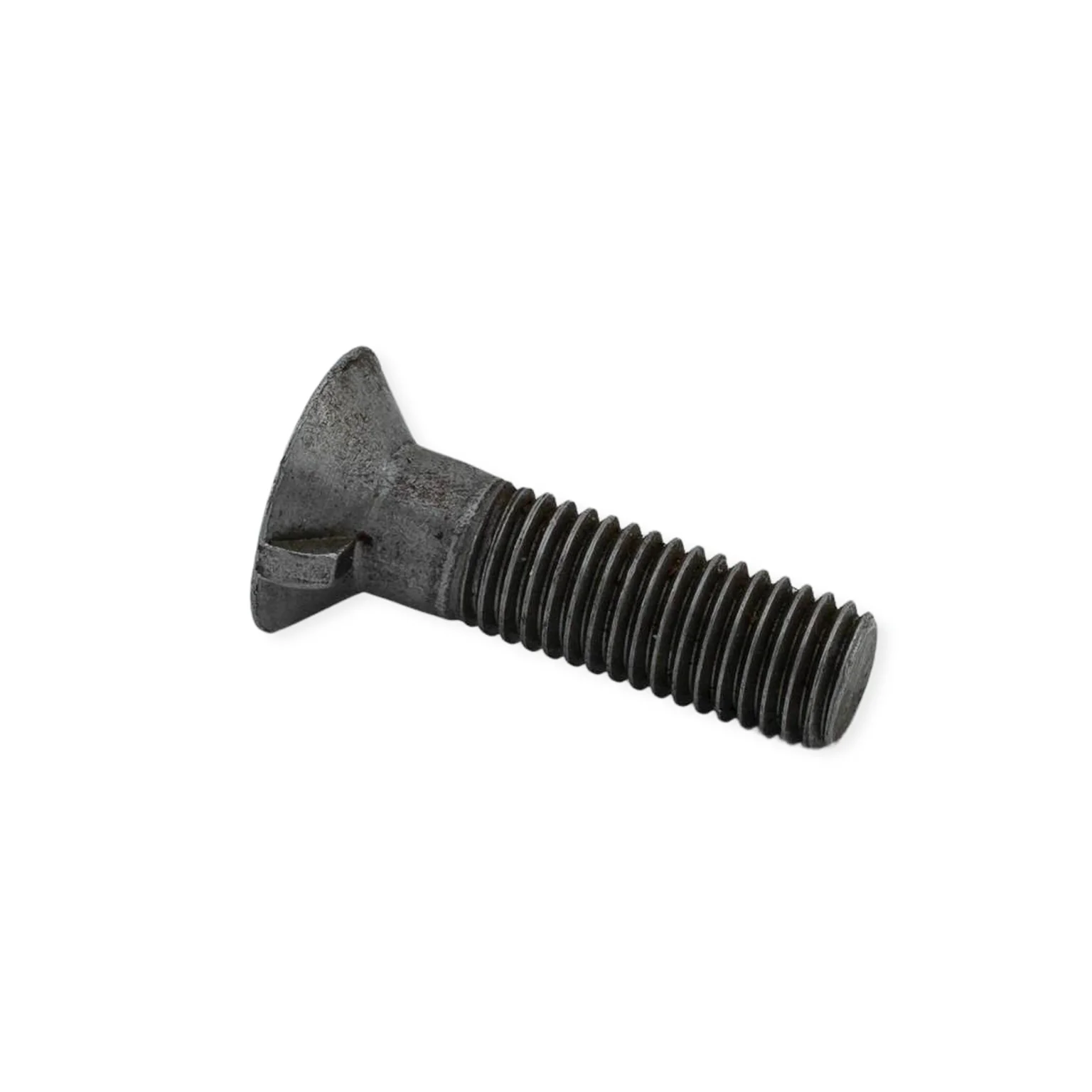
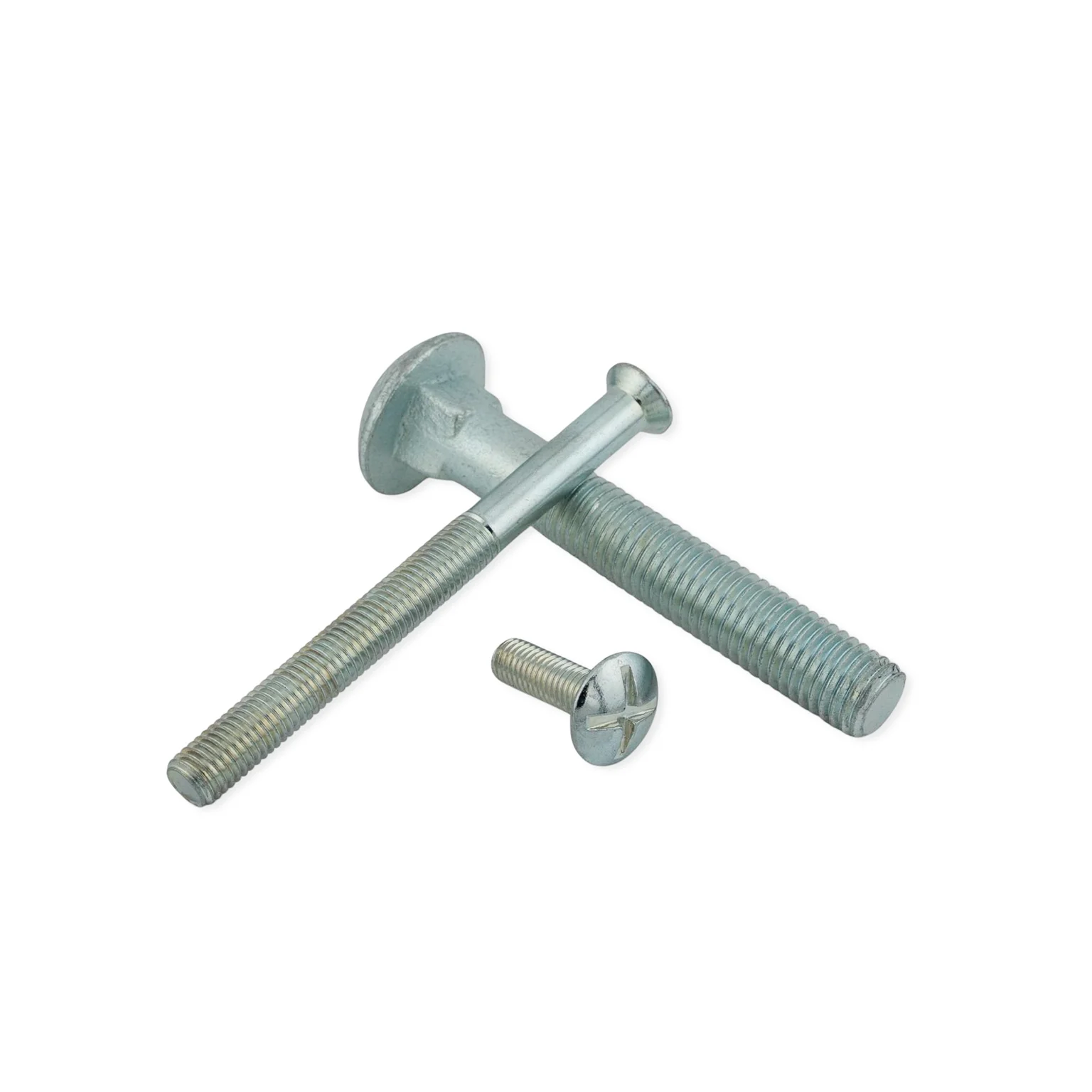
The screw is an essential fastener in mechanical engineering, characterised by a cylindrical shaft with one or more threads that allow it to be assembled with various materials. The design of a screw involves specifications such as diameter, length, thread type and manufacturing material, often stainless steel or specific alloys, adapted to mechanical and environmental requirements.
- Production of the screw blank
- Rolling
- Heat and surface treatment
Production of the screw blank
Production of the screw blank
The production of a screw blank from wire coils using cold heading machines is an innovative and efficient process in industrial manufacturing. This method relies on the use of mechanical forces to deform the metal without heating it, which preserves the properties of the materials while optimising dimensional accuracy.
The process begins by feeding the machine with coils of metal wire, often steel, which are then unwound and cut to predefined lengths. Using forming dies, cold heading shapes these lengths into screw blanks through repeated blows. This system has the advantage of reducing material waste and minimising production costs.
In addition, the technique ensures uniformity in the metal structure, which gives the screws produced increased strength. This type of manufacturing also meets the growing demands for sustainability and energy efficiency in contemporary industrial processes.

Rolling
Rolling
Next comes the rolling phase, where a rotating tool shapes the screw threads. Cold rolling creates high-precision threads with tight tolerances, ensuring optimal assembly. This method also reduces material waste, making the process more environmentally friendly and economical. The screws produced have better tensile strength and surface finish, increasing their durability.
Heat and surface treatment
Heat and surface treatment
Depending on the desired strength, there is a standardised series of quality classes, obtained by performing a specific hardening process after rolling. The higher the strength required, the higher the class must be.
| Strength class | 3.6 | 4.6 | 4.8 | 5.6 | 5.8 | 6.8 | 8.8 | 9.8 | 10.9 | 12.9 |
|---|---|---|---|---|---|---|---|---|---|---|
| Breaking strength Rr (in N/mm² or MPa) | 180 | 240 | 320 | 300 | 400 | 480 | 640 | 720 | 900 | 1080 |
| Elastic limit Re (in N/mm² or MPa) | 330 | 400 | 420 | 500 | 520 | 600 | 800 | 900 | 1040 | 1220 |
Finally, screws can undergo surface treatments, such as galvanic coating or painting, to improve their protection against corrosion.
This efficient manufacturing process gives screws improved mechanical characteristics, which are essential to their performance in various industrial applications.
The classification of screws is essential in the field of mechanics and assembly. Screws are distinguished by their shape, size and material, each of which has a specific function. The main categories include wood screws, which have wide threads for better grip in wood; metal screws, which have fine threads for optimal tightening in metallic materials; and self-tapping screws, designed to drill their own hole when screwed in.
Screws can also be classified according to their heads: hexagonal head screws, often used in industrial applications; cross-head screws, which allow for easy tightening with a suitable screwdriver; and countersunk head screws, which fit perfectly into the surface of materials. Selecting the right screw plays a crucial role in the durability and safety of assemblies.
